

ABOUT
RESHIN NIKA
AYAHUASCA RETREAT

Reshin Nika Traditional Shipibo Ayahuasca Retreat & Master Plant Dieta Center in the Peruvian Amazon
Located deep in the Peruvian Amazon rainforest, approximately one hour northwest of Pucallpa in the Ucayali region of Peru, Reshin Nika Traditional Shipibo Ayahuasca Retreat & Master Plant Healing Center offers authentic plant medicine healing in a traditional jungle setting.
We provide guided Ayahuasca ceremonies and Master Plant Dietas conducted in isolation, supporting both therapeutic healing and traditional Shipibo apprenticeship.
This work focuses on emotional, mental, physical, and energetic imbalance, while also supporting deeper clarity, inner alignment, and spiritual development through traditional Amazonian plant medicine practices.
A Path of Healing in the Peruvian Amazon
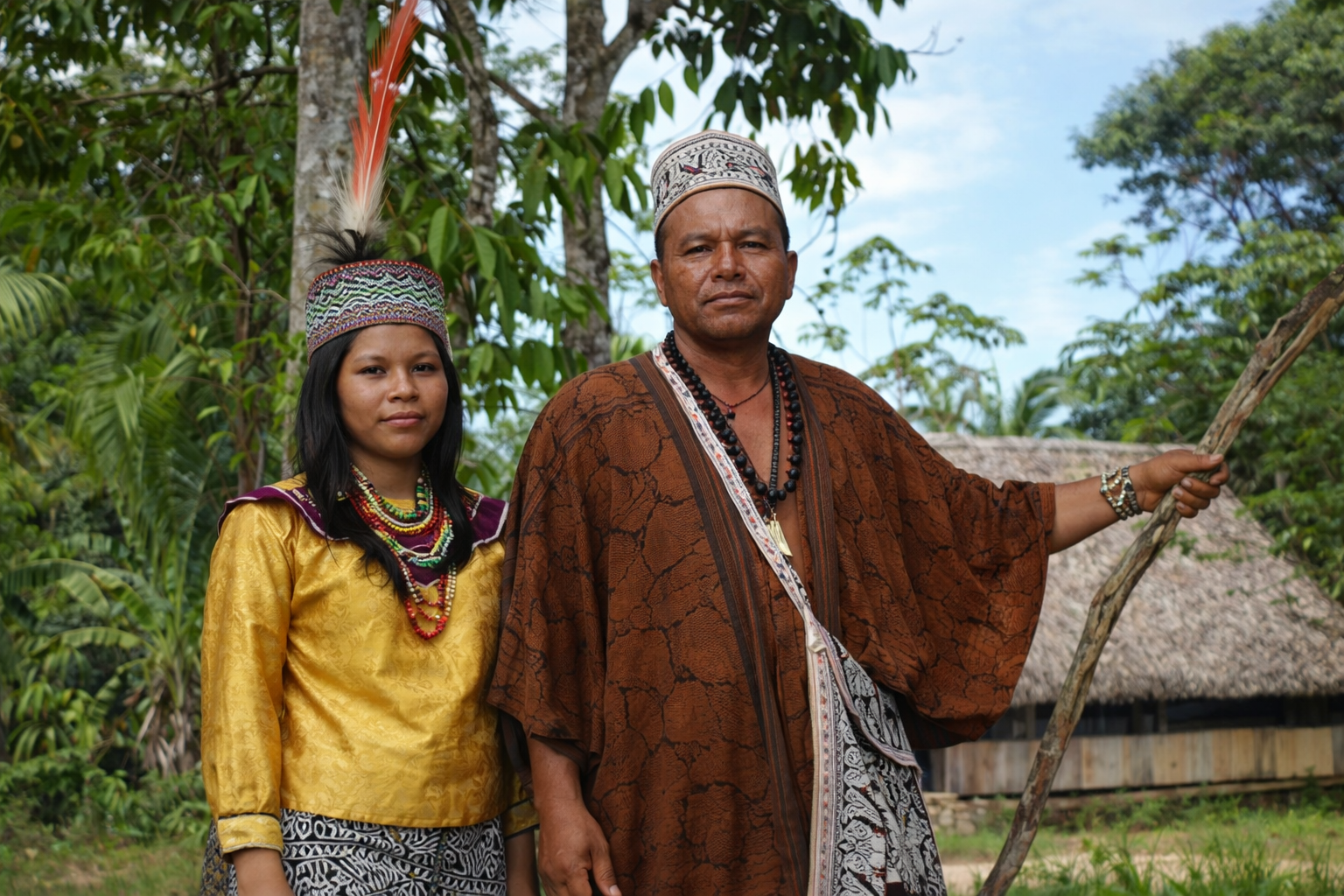
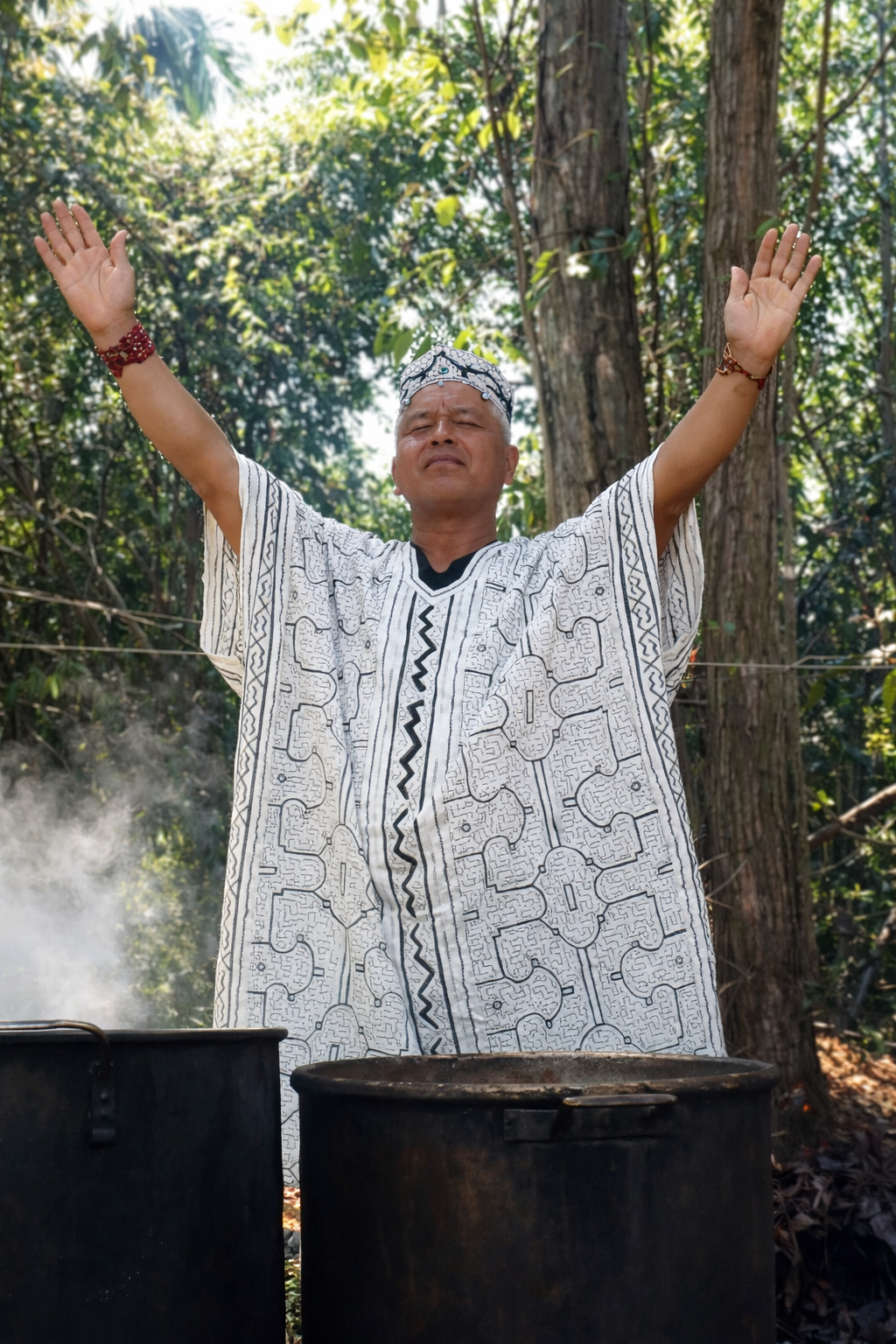
Our Ayahuasca retreat in the Peruvian Amazon offers a structured path of self-discovery through traditional Shipibo plant medicine practices, guided by Maestro Reshin Nika.
Within this work, establishing a respectful relationship with the master plants is considered essential. In Shipibo tradition, plants are viewed as intelligent teachers that offer guidance, healing, and energetic protection throughout the process of a Master Plant Dieta.
Participants are invited to approach the experience with openness, patience, and willingness to engage in deep inner work through ceremonial practice and dietary discipline.
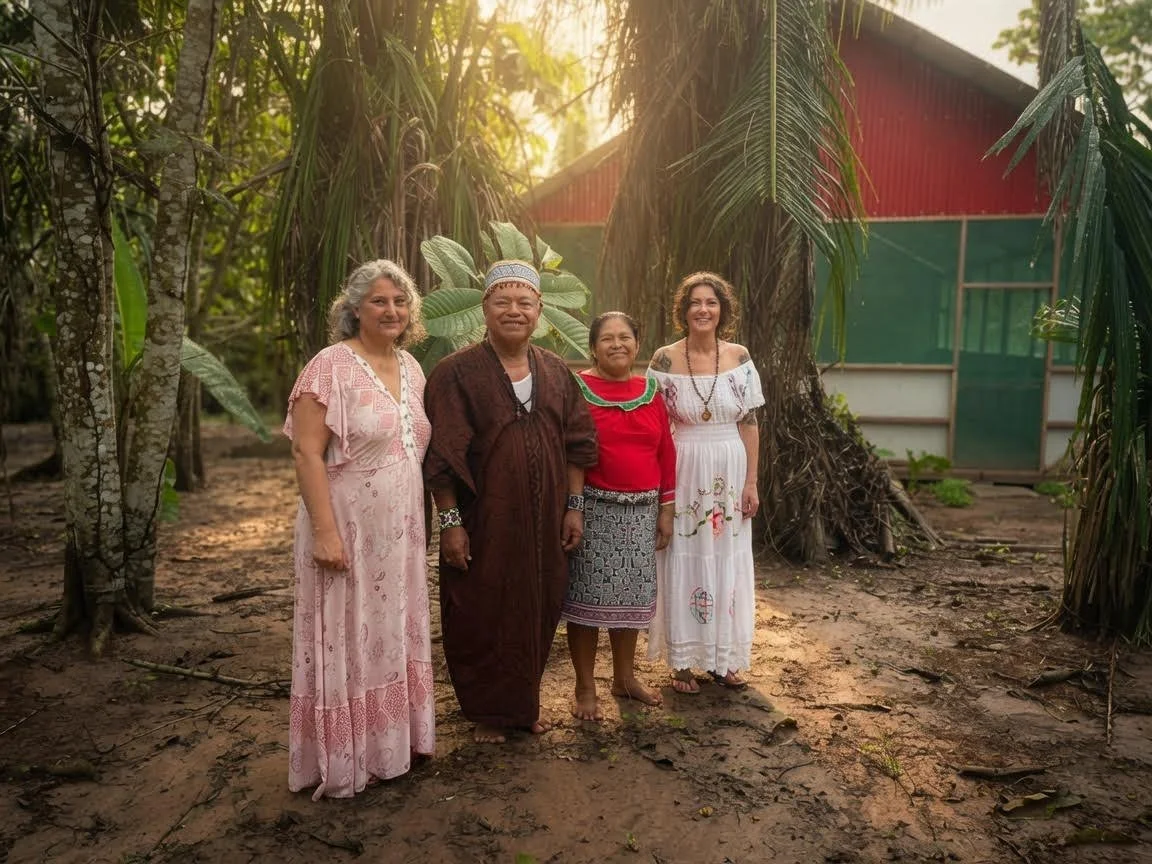
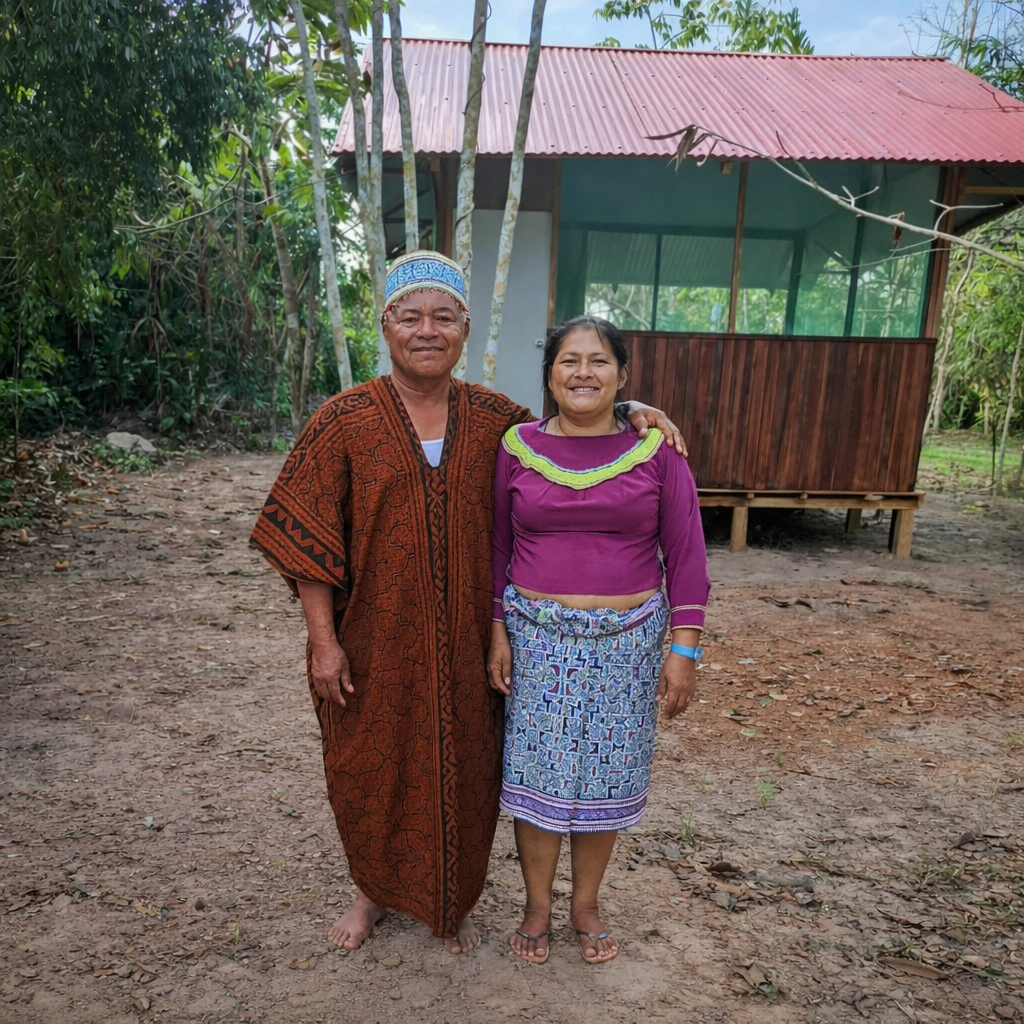
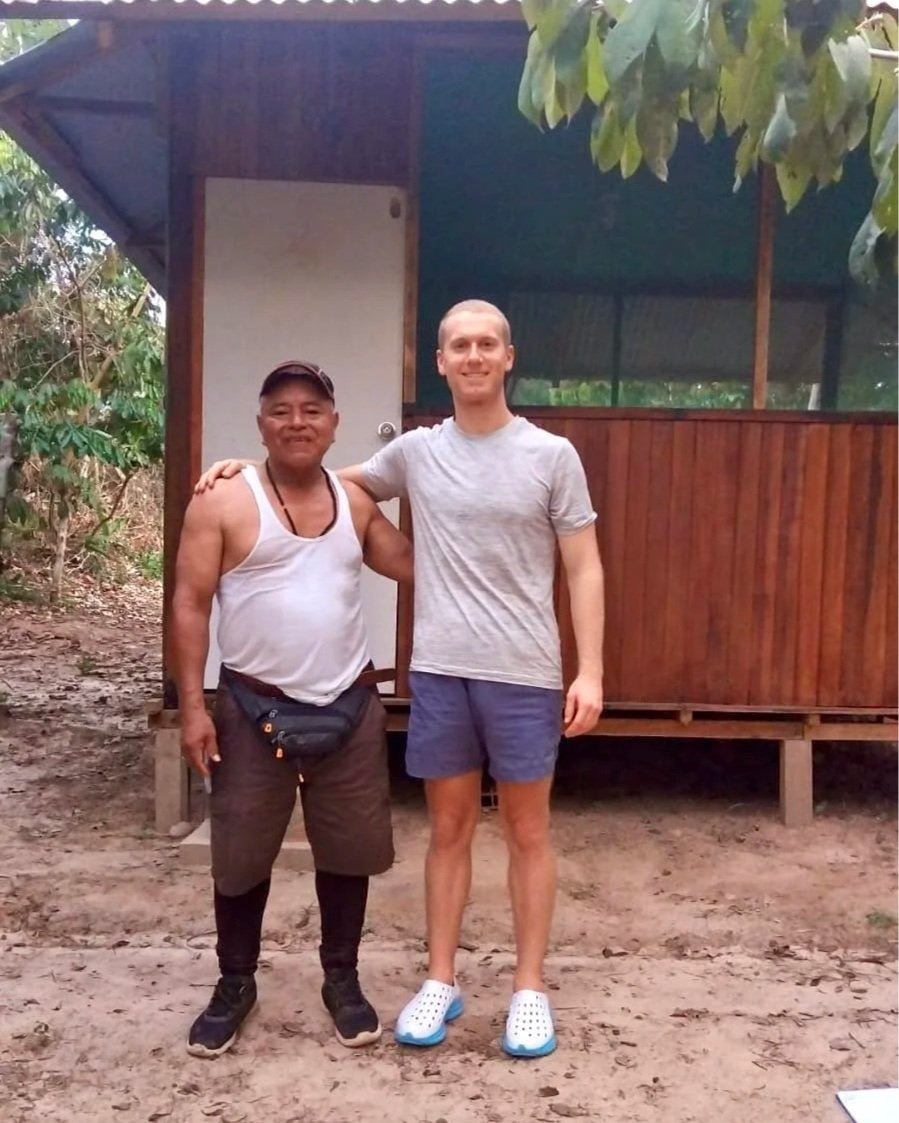
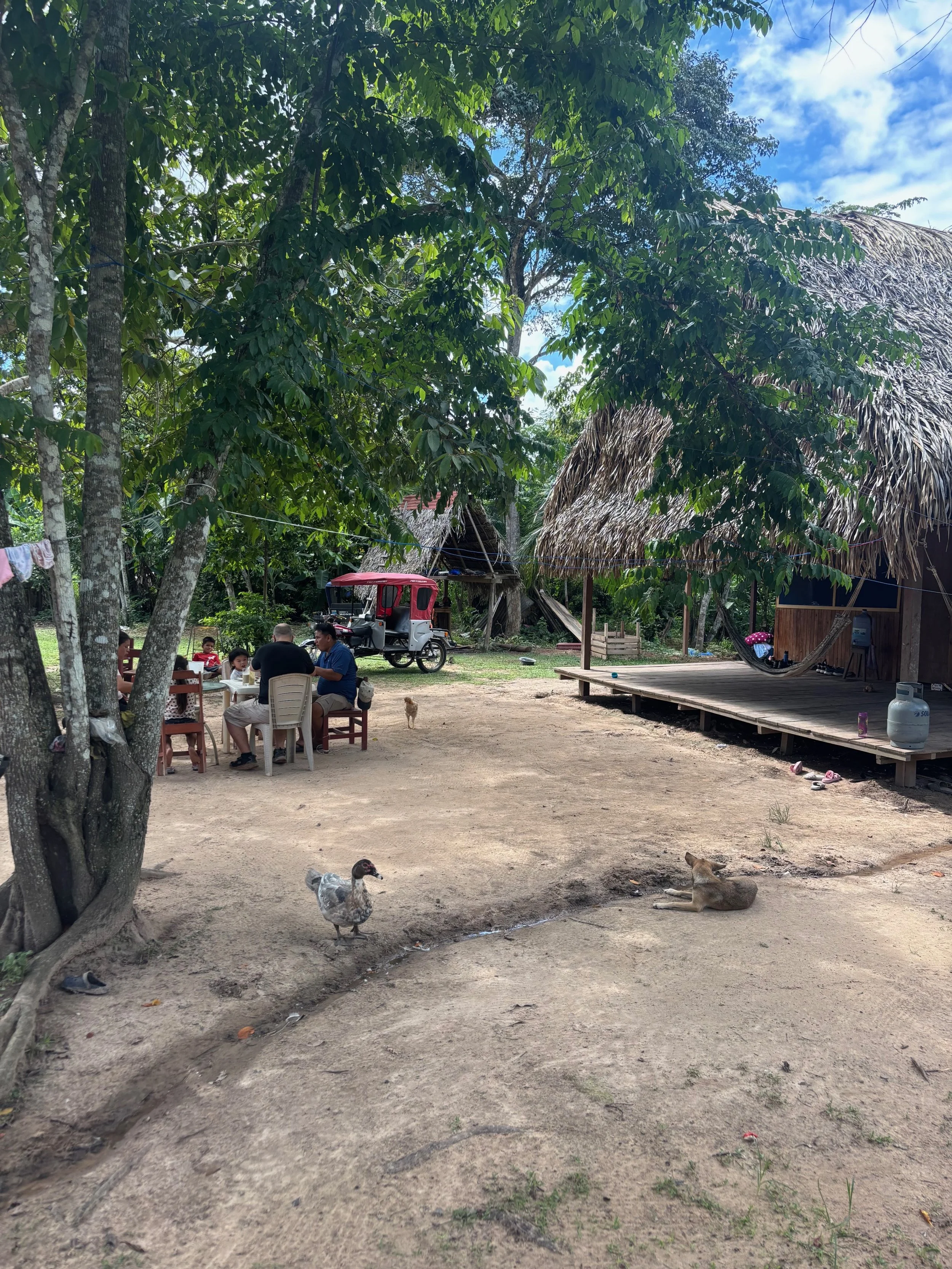
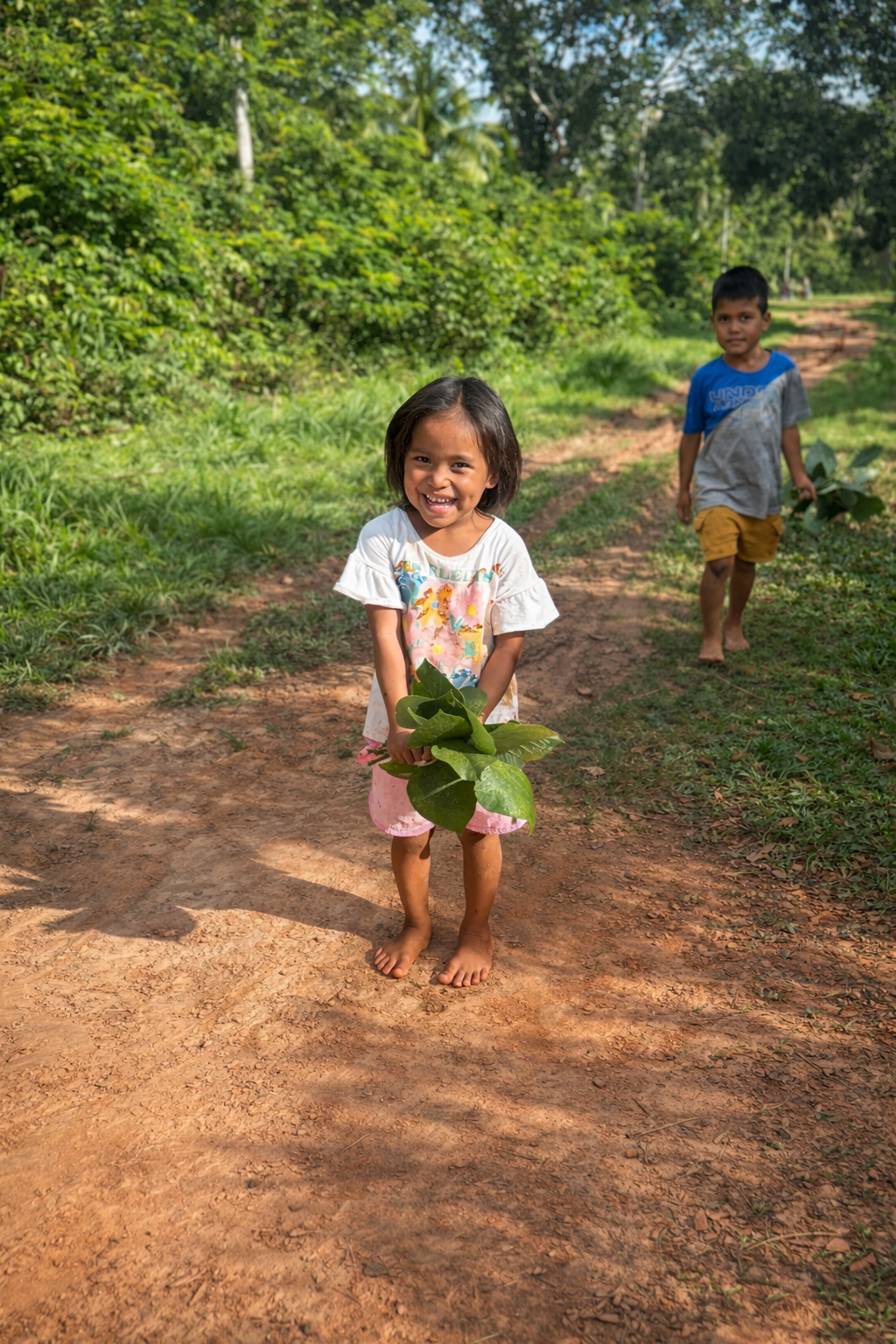
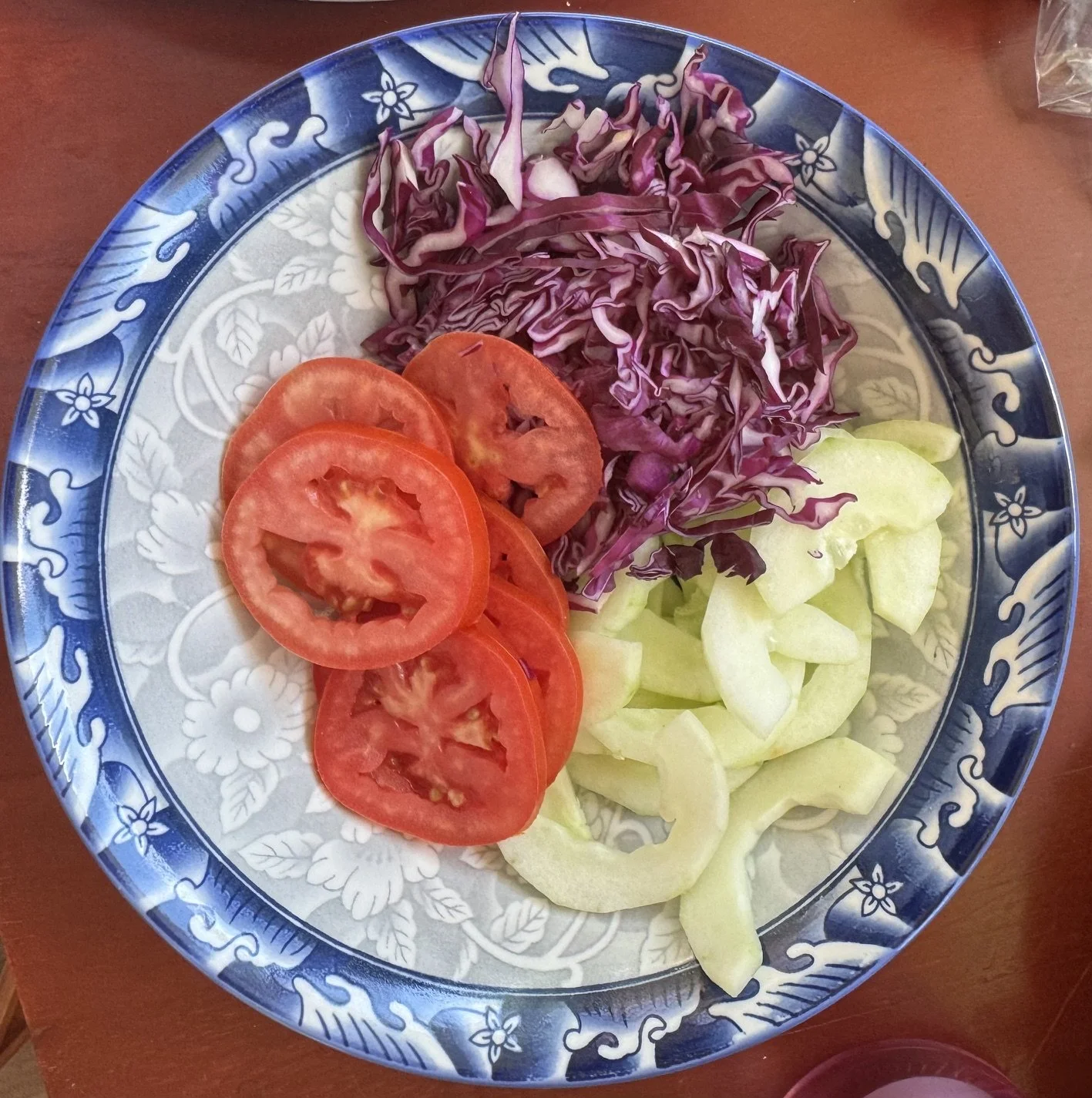
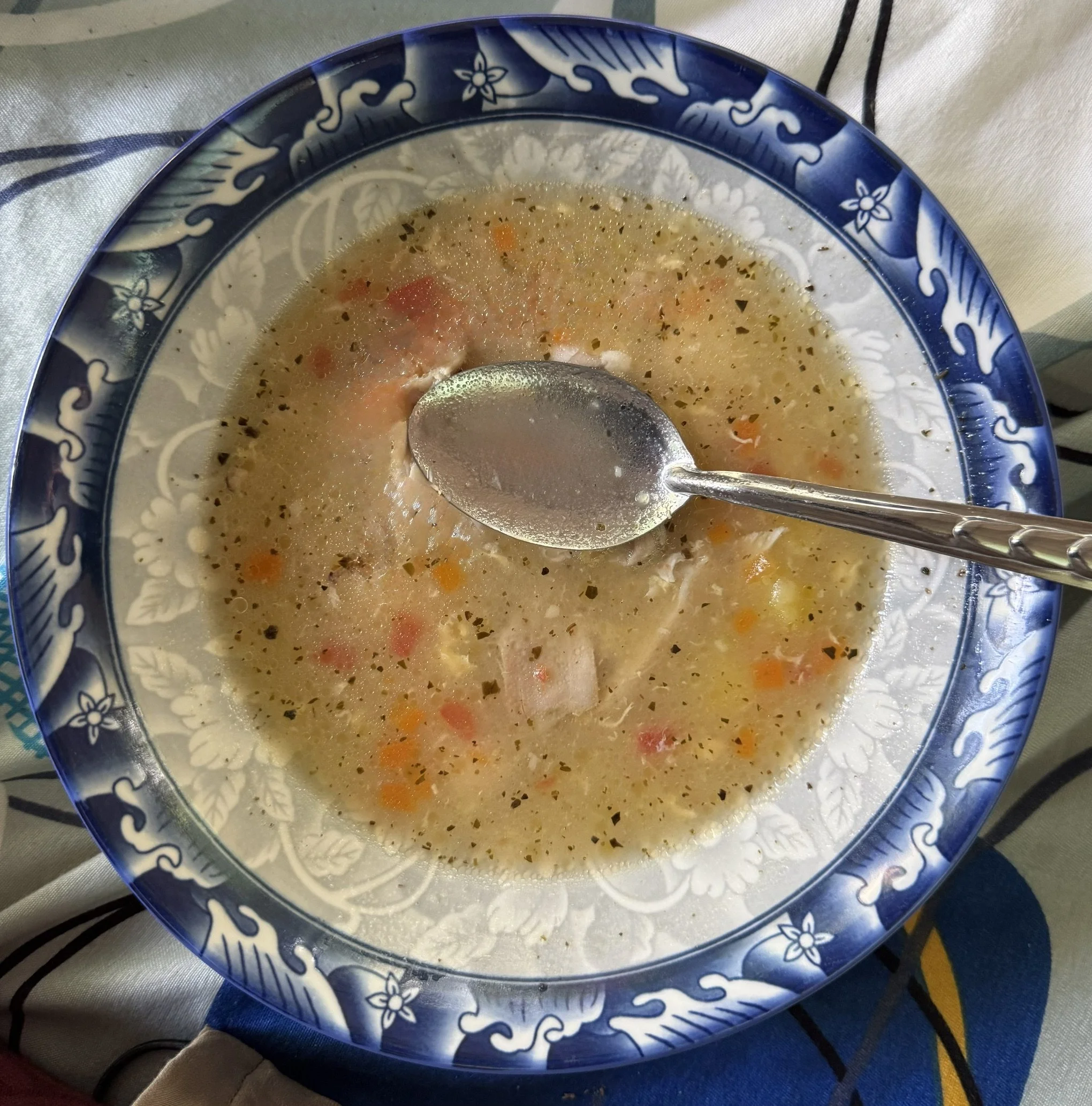
Owned by Maestro Reshin Nika and lovingly operated by his extended Shipibo family, who live on the land, our retreat remains deeply rooted in authentic Shipibo traditions. In ceremony Reshin is accompanied by his wife, daughters, and his eldest daughter, Isa—who is also a respected Shipibo healer herself, and the translator—play an active role in the ceremonies and the daily life of the retreat. They lovingly prepare the traditional dieta meals, care for guests, and help create a warm, supportive atmosphere throughout your stay.
Their strong female presence offers an added sense of comfort and security, allowing solo female travelers to feel welcomed, respected, and safe. An English–Spanish translator is available throughout your stay, and cellular data service is accessible across the retreat center.
Retreat Capacity & Accommodation
Our center hosts a maximum of 6 guests at a time, ensuring a small, intimate Ayahuasca retreat experience.
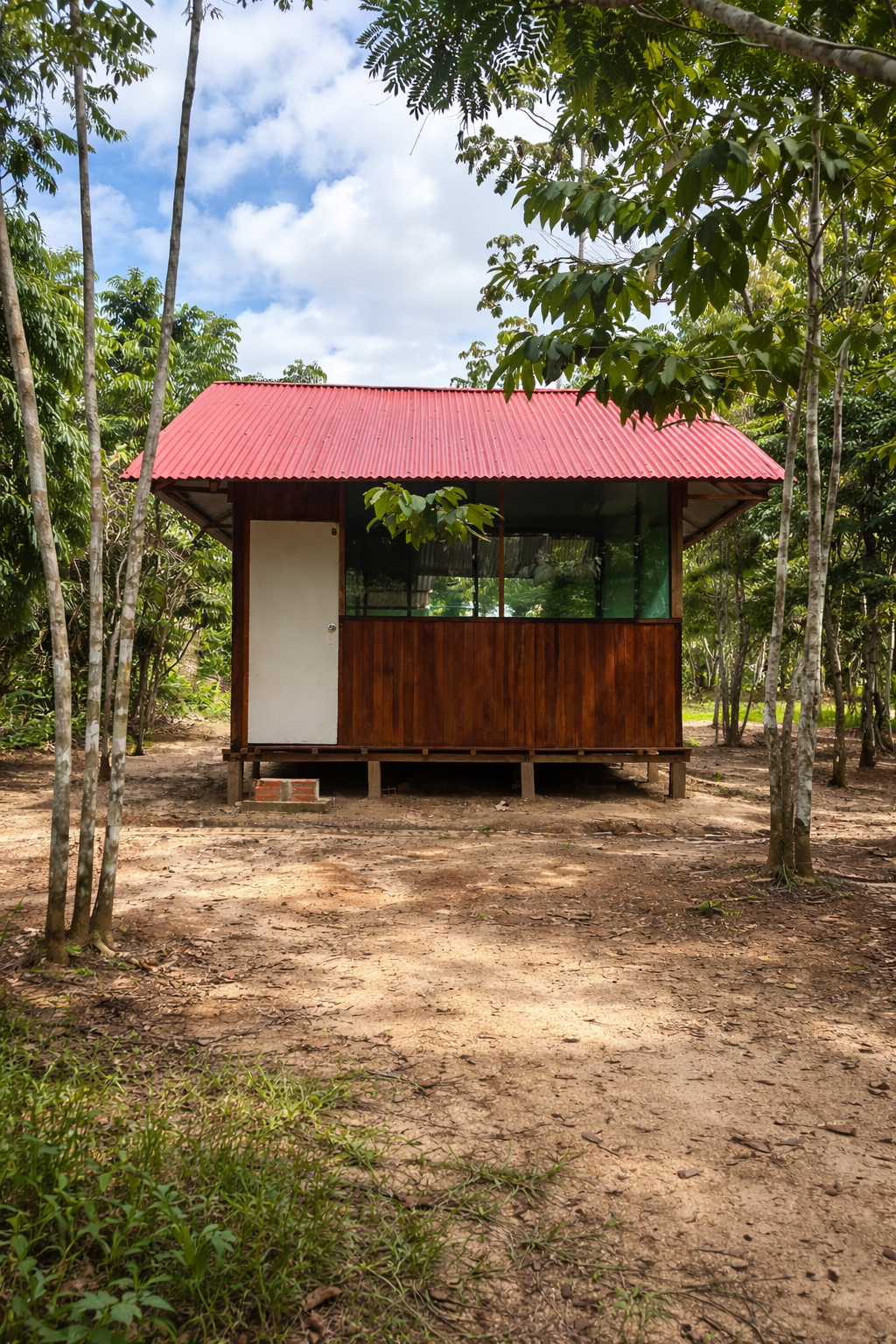
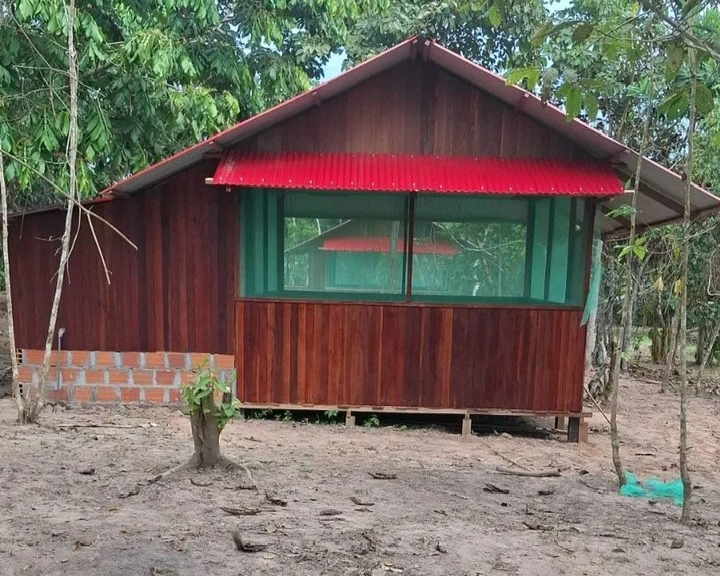
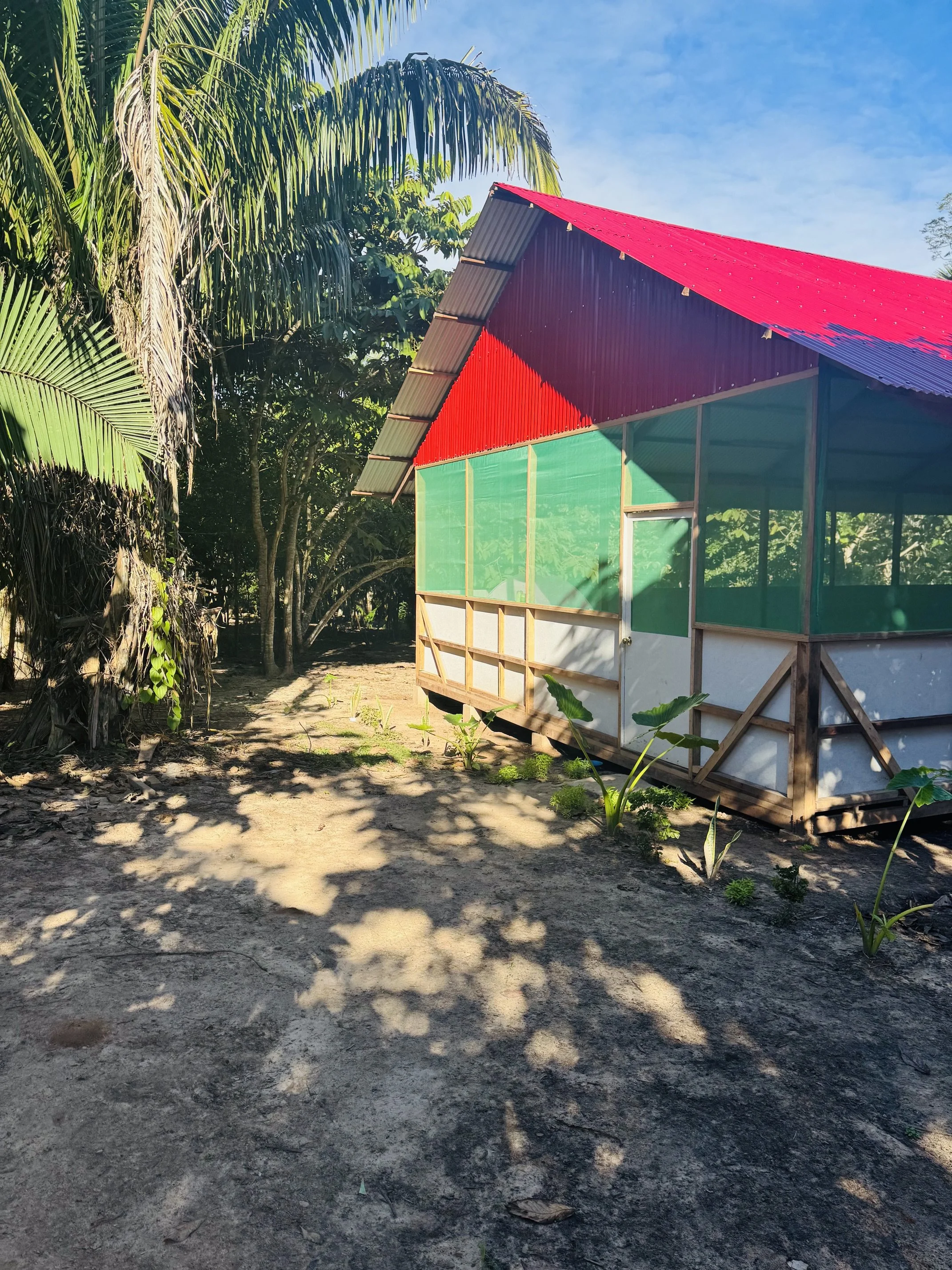
Six private casitas (traditional Tambo huts) are available:
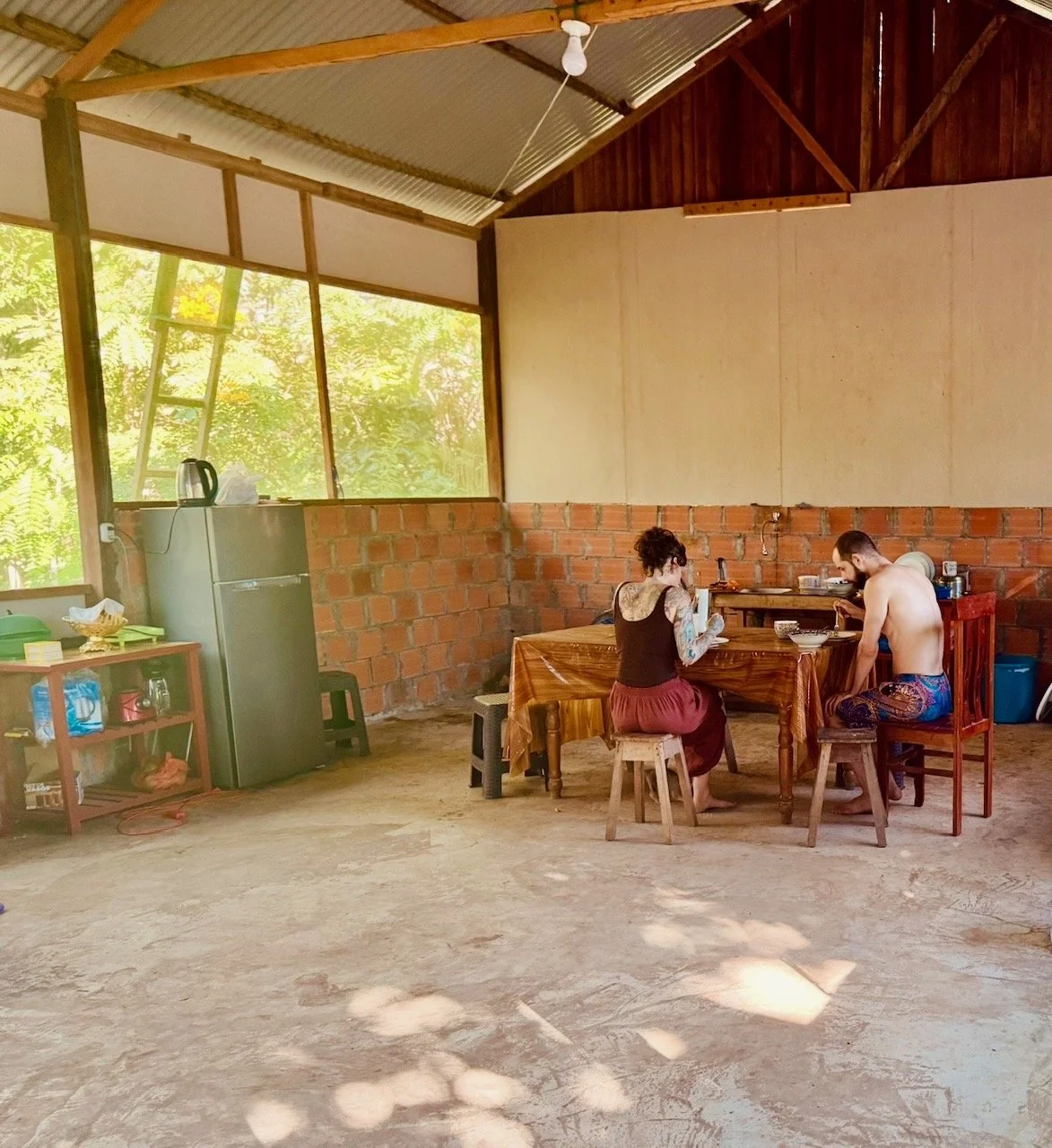
Five casitas include electricity, flushing toilet, and shower
One casita is more rustic and traditional, with a thatched roof and external bathroom facilities nearby
Each casita is fully enclosed with mosquito netting and includes a bed with canopy netting, clean drinking water, and basic comfort for living in the Amazon jungle environment.
This simple and supportive setup allows guests to focus fully on their Master Plant Dieta and inner healing process.
Connectivity & Daily Life in the Jungle
Cellular data is available throughout the retreat center via the local provider Claro. Most international phones automatically connect with a roaming plan or daily fee. SIM cards and eSIM options are also available for more affordable access.
We encourage guests to limit device usage during their stay, using phones primarily for essential communication.
Nearby, a small local center offers Wi-Fi access, refreshments, and shaded spaces for occasional use. The closest town, San Francisco, is approximately a 30-minute walk from the retreat.
Shipibo Tradition & Cultural Respect
This retreat is rooted in the ancestral traditions of the Shipibo people of the Peruvian Amazon.
Guests are asked to approach the culture, environment, and healing process with respect, humility, and openness. Life in the jungle may move at a different pace than what many are accustomed to, and participants are invited to adapt with patience and awareness.
Shipibo healing traditions have been passed down through generations and are based on deep relationships with the medicinal plants of the Amazon.
Retreat Philosophy & Structure
Our Ayahuasca retreat is not a luxury resort or highly guided wellness program. It is a traditional healing environment based on Master Plant Dieta practices, emphasizing solitude, discipline, and direct connection with plant medicine.
Maestro Reshin Nika is present and supportive throughout the process when needed, but this work is not structured around constant conversation or external reassurance. Participants are encouraged to develop trust in the process and allow insights to unfold naturally through ceremony and dieta.
This path requires personal responsibility, maturity, and willingness to engage in deep inner transformation.
Personalized Guidance & Ceremonial Support
Each participant receives individualized attention throughout their stay.
Maestro Reshin Nika offers guidance during ceremonies and periodic consultation outside of ceremony when appropriate. His healing approach is delivered through traditional Shipibo methods, including icaros (sacred healing songs) directed toward each participant’s energetic process.
This creates a deeply personalized and traditional Amazonian healing experience.
Safe & Supportive Environment
The retreat is held in a protected and supportive environment where guests can safely undergo deep emotional and spiritual healing.
Maestro Reshin Nika’s family is present on-site throughout the retreat, including his wife and daughters, contributing to a grounded and secure atmosphere.
The center is designed to provide safety, simplicity, and connection to the natural environment of the Amazon rainforest, supporting a focused and uninterrupted healing process.
We welcome you to reach out with any questions about our retreats, ceremonies, or Master Plant Dietas. Our team is available to provide information and support as you consider this important step. To apply, simply complete the retreat application and begin your journey of healing, personal growth, and transformation in the Peruvian Amazon.
Jungle Sounds & Environment
Our Ayahuasca retreat is located in the Peruvian Amazon rainforest, where life is naturally rich with sound and biodiversity.
At night, guests may hear crickets, insects, birds, and the natural rhythms of the jungle. Occasionally, distant music or community sounds may be heard in the early evening, typically ending around 8–9 pm. During the day, it is also common to hear faint community announcements from nearby Shipibo villages, which are part of everyday life in remote Amazon regions.
These natural and cultural sounds are part of the jungle environment and usually fade into the background as guests settle into the retreat experience. For those who are sensitive to noise, we recommend bringing waterproof earplugs for comfort.
Jungle Wildlife Awareness
As our retreat is immersed in a natural Amazon jungle environment, wildlife may occasionally pass through living areas. While encounters are uncommon, guests are asked to remain mindful of their surroundings, especially at night.
We recommend using a flashlight after dark and contacting staff if assistance is needed. Respectful awareness is an important part of safely living in harmony with the jungle environment.
Shipibo Tradition & Dietary Guidelines
The dietary guidelines used at our retreat are based on traditional Shipibo plant medicine practices of the Peruvian Amazon.
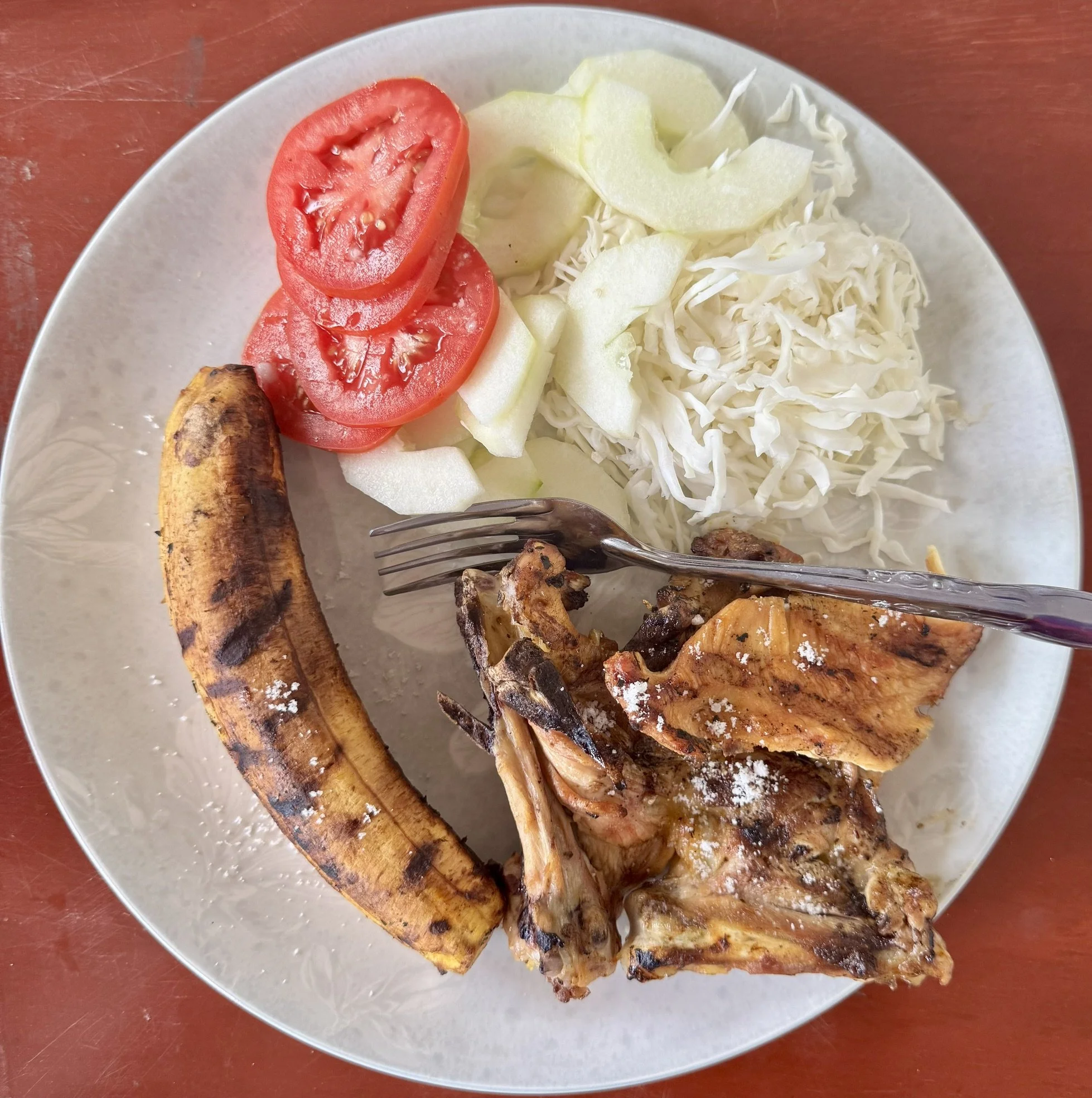
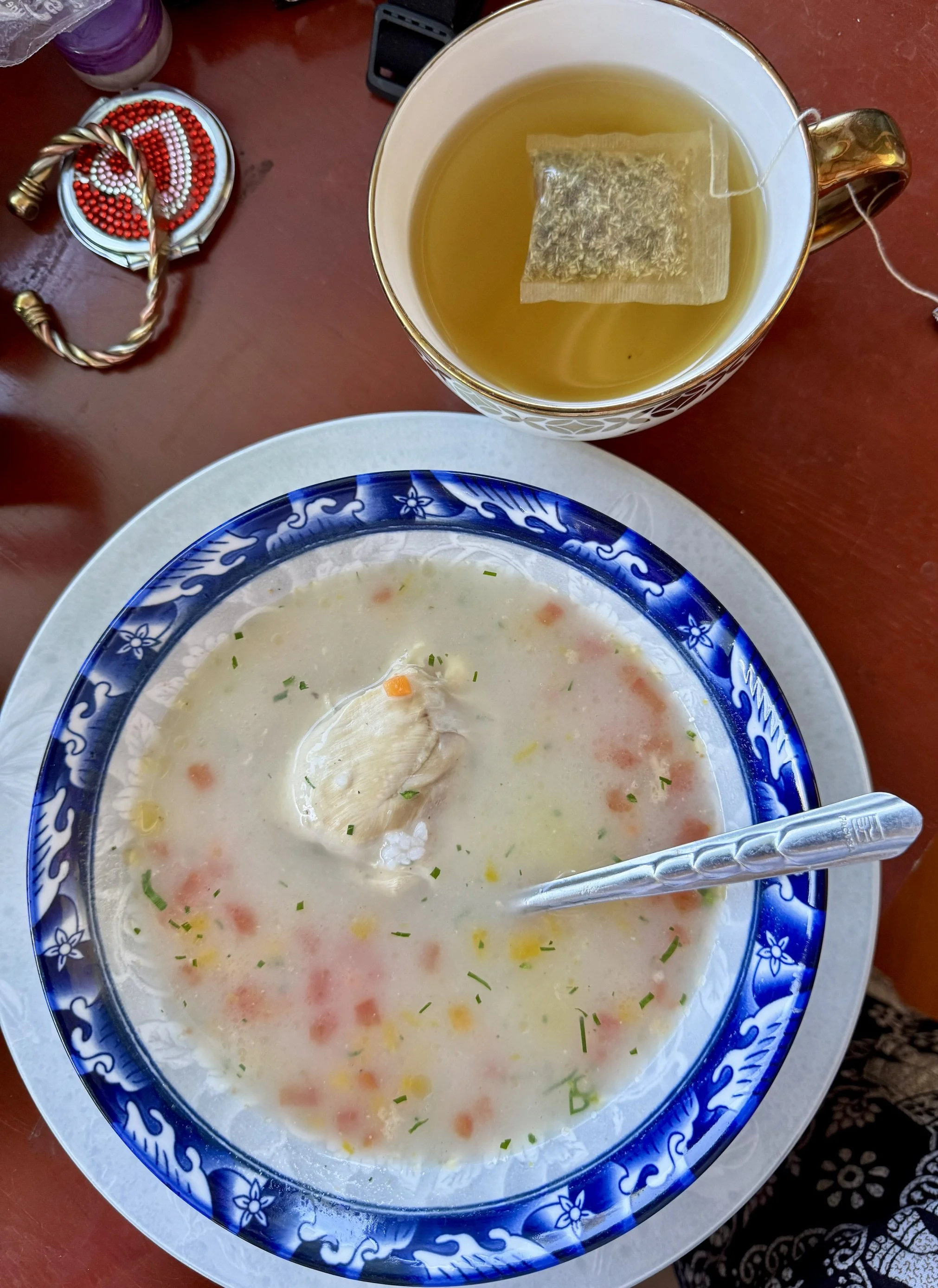
Historically, the Shipibo diet was simple and closely connected to the rainforest environment, consisting primarily of fish, plantains, fruits, and naturally available forest foods. Over time, modern influences have introduced additional foods into the contemporary diet.
In traditional practice, simplicity in diet is considered an important preparation for working with master plants. This supports physical cleansing, energetic sensitivity, and deeper connection during Ayahuasca and Master Plant Dieta experiences.
Shipibo Lineage & Healing Tradition
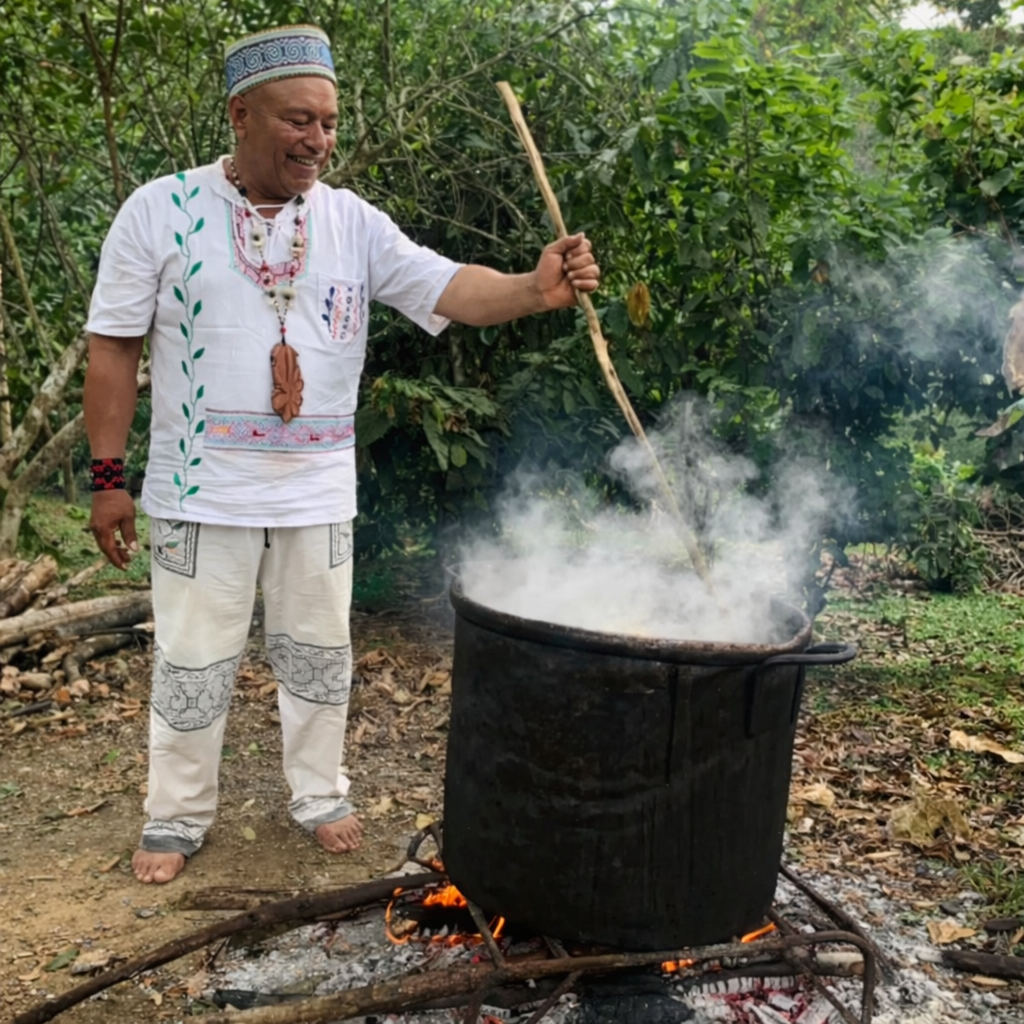
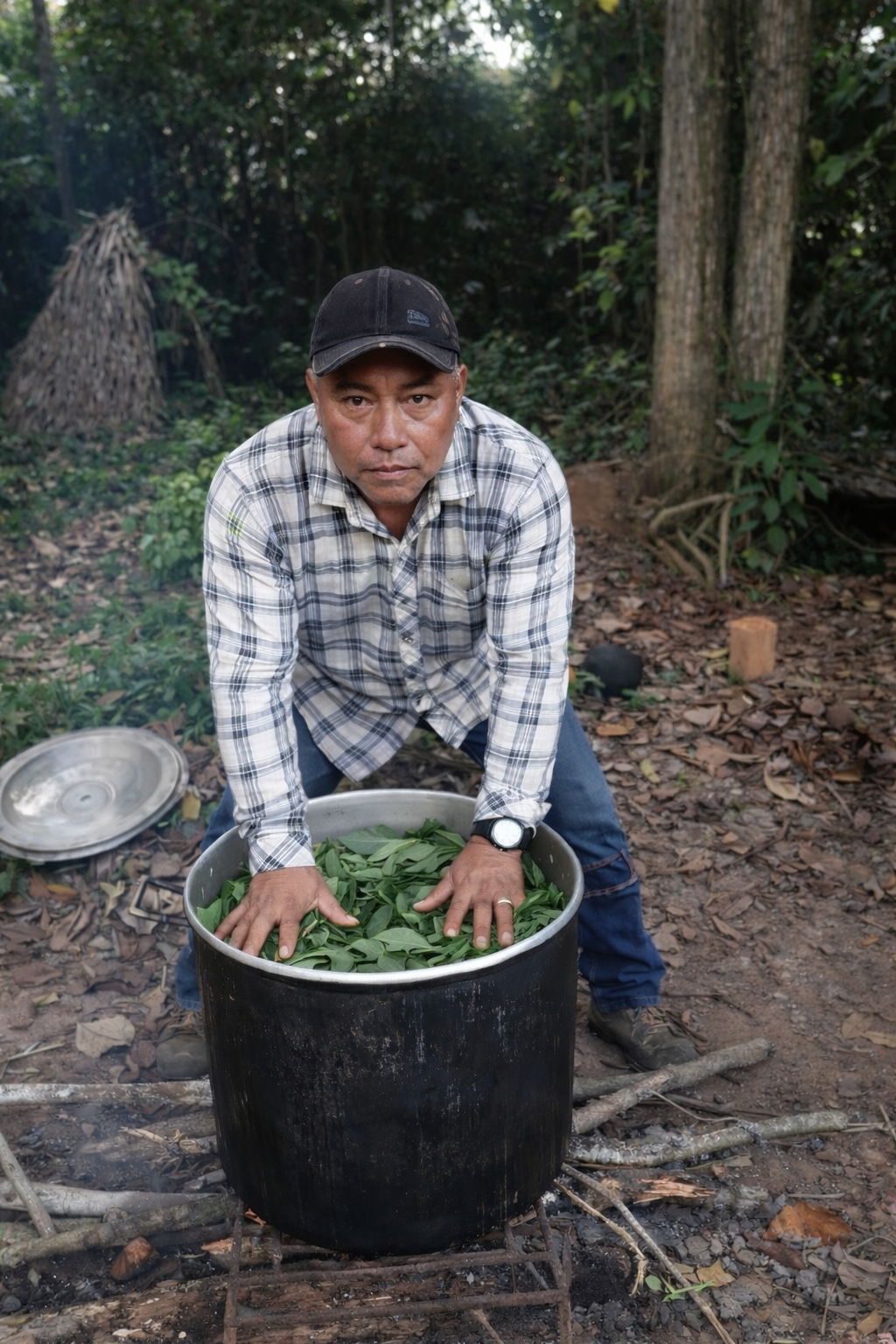
Shipibo healing knowledge is traditionally passed down through family lineages over many generations. Maestro Reshin Nika began his training at a young age under the guidance of his grandfather, continuing a long-established lineage of plant medicine healing in the Peruvian Amazon.
In Shipibo tradition, those chosen for healing often begin their apprenticeship early in life and undergo years of Master Plant Dietas, learning directly from the plants themselves as well as through family transmission.
Through this process, shamans learn how to work with plant medicines, ceremonial icaros (healing songs), and individualized guidance for those they serve. Each practitioner may follow slightly different approaches based on their lineage and training within the Shipibo tradition.
“The cave you fear to enter holds the treasure you seek.”
— Joseph Campbell
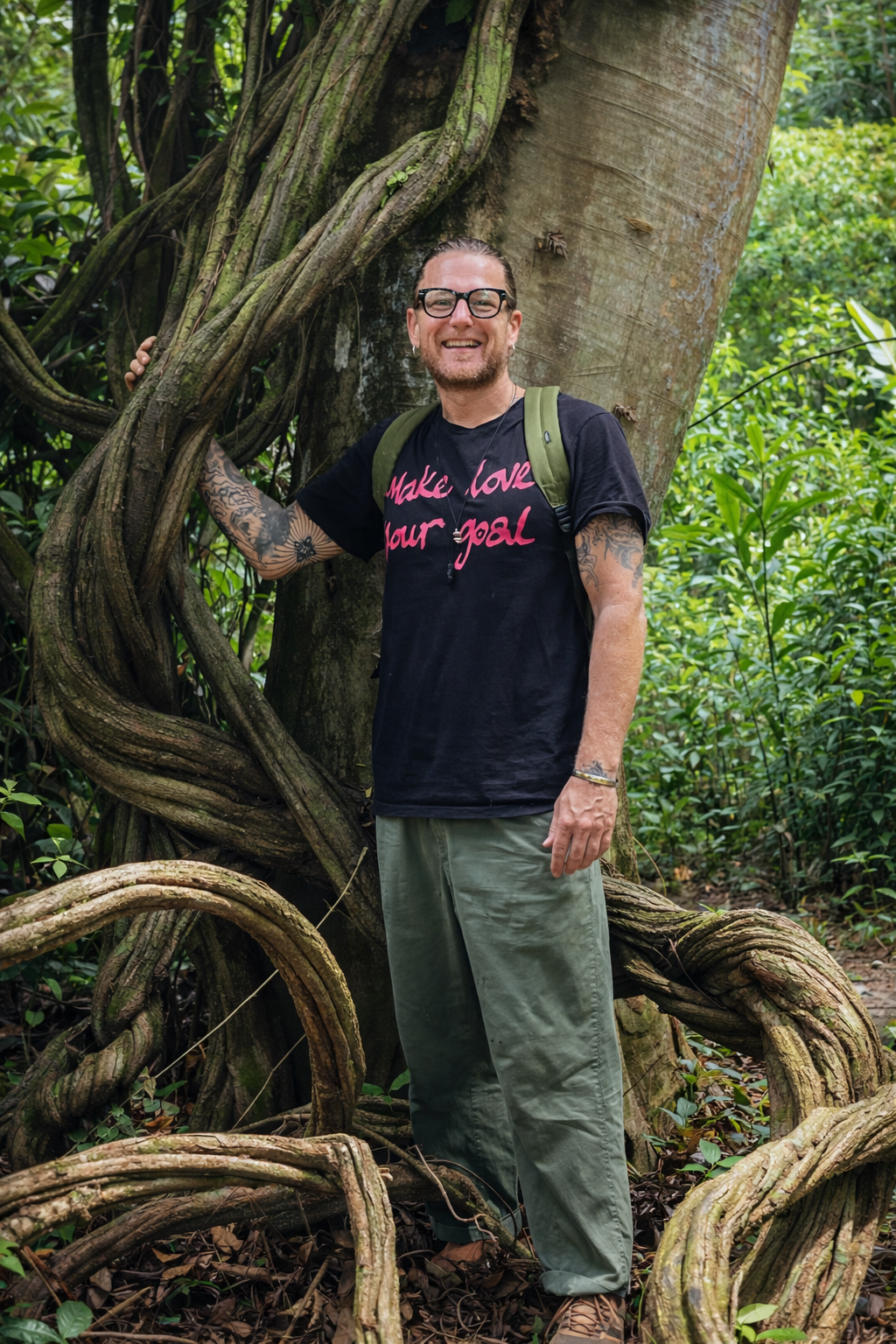
“I could waffle on for hours about what happened under the utterly magnificent guidance of a true shipibo maestro. So the little I can offer now is quite literally the tip of the iceberg. He is safe, caring and so attuned to the energies of the plants. His lovely family are always close by, lovely family vibes.. the man has changed my life. Eternally grateful to him. It’s natural to feel a little nervous, so don’t think you are alone in that. I have always felt nerves in every ceremony. It’s important to understand that what you are to participate in requires your full attention and respect. If you were not nervous that may be a sign to have another look at it all to sense the gravity of it all. But you are in the safest of hands, make no mistake.. he is the real deal and if at anytime in the future I decide to go back into a deep dive then it will be Reshin Nika I shall look to do that with. Honestly working with Reshin Nika will stay with me forever, the post dieta has brought so much positivity and balance to life. We worked hard, real hard, it was tough but necessary and he knew I needed that. Just so grateful.”
— Sky, Bali